Patient administration for healthcare providers
One patient record behind registration, billing, claims and the pharmacy counter, so a bill, a deposit and a guarantee letter refer to the same episode. Bought once and owned outright.

- One patient record
- Behind registration, billing, claims and the pharmacy.
- Answered at the desk
- What has been paid, and where a claim has reached.
- Claims followed up
- Queried and short-paid claims, visible before write-off.
- Owned outright
- Run in the provider's own data centre or cloud account.
From the front desk to the day close
Six features on one patient record, for the front desk, billing and the claims desk, the pharmacy and finance.
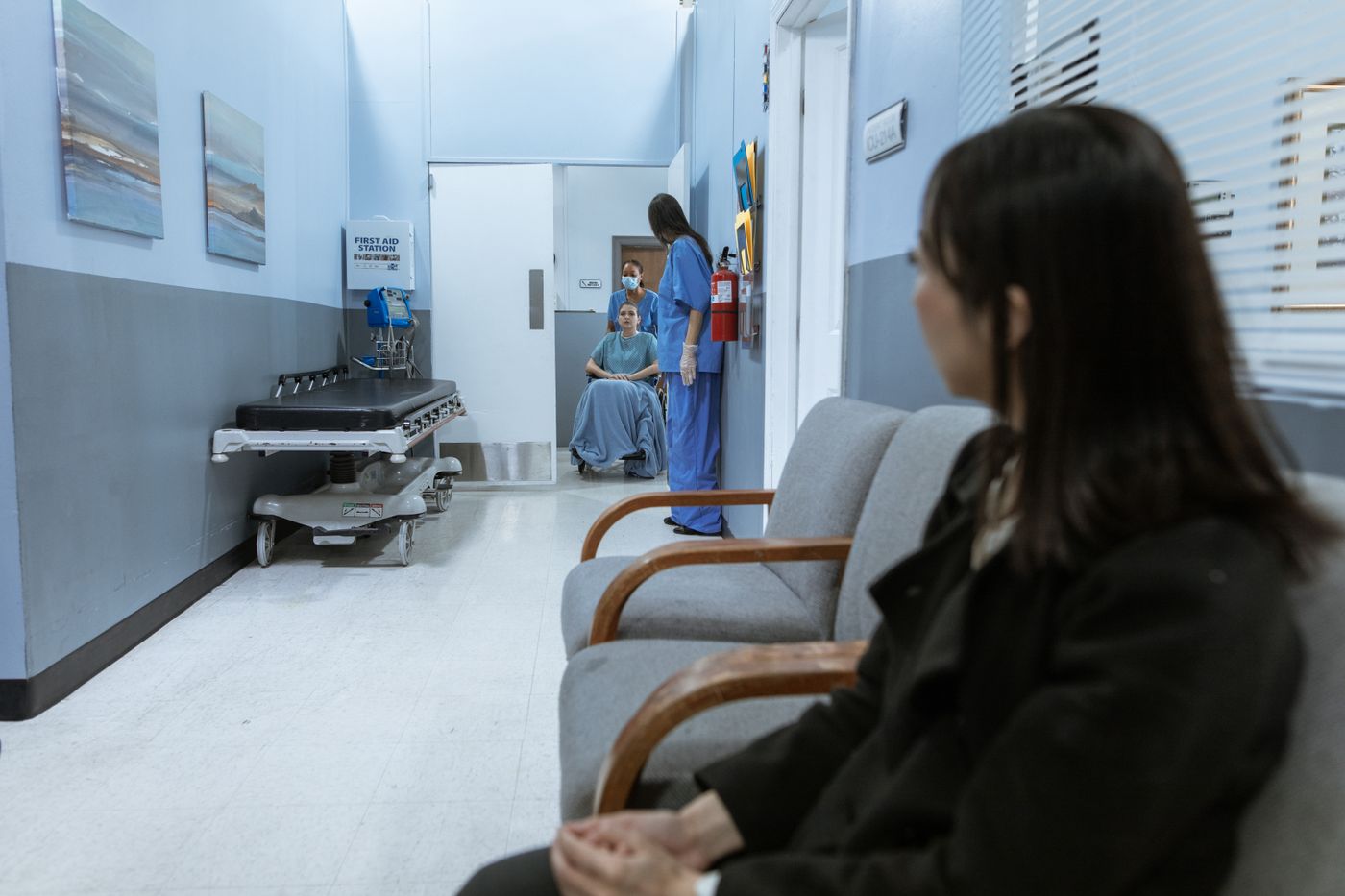
- Registration and admissionOne patient record, read by billing, the pharmacy and claims.
- Appointments and queuesBooking, rescheduling and the queue, on one schedule.
- Billing and depositsDeposits, interim bills and the final bill, against the episode.
- Panel and insurer claimsGuarantee letters, submission and follow-up, against the episode.
- Pharmacy and dispensingDispensing against the prescription, with stock drawn down.
- Reporting and reconciliationTakings by counter and method, and the day closed from one report.
A day at the counters on asasii health
From the first registration of the morning to the report the day closes from.
- 08:00
A returning patient registers
The desk finds the existing record instead of creating a new one, so the same person does not end up with three records and three balances.
- 08:30
The queue starts moving
The display in the waiting area reads the schedule the desk works. Patients see where they are, and the desk stops answering the question for everyone in the room.
- 10:00
An admission
The patient is admitted on the same record. The deposit and the guarantee letter go against the same episode as the bill.
- 11:30
An interim bill
Raised during a stay against the same episode, so the final bill is not assembled at the end.
- 13:00
Dispensing at the pharmacy
Against the prescription and the patient record, with stock drawn down as it is dispensed. Payment at the counter posts against the bill.
- 14:30
A claim is queried
The follow-up is tracked against the episode the claim belongs to, so the desk can say where it has reached without calling the insurer.
- 16:00
Discharge and the final bill
The deposit nets against the final bill. What has been paid, what is estimated and what is outstanding are on screen while the patient is still at the desk.
- 18:00
The day closes
From one report: takings by counter and by method, reconciled against settlement and against what was billed, with deposits, claims and outstanding balances in the same view.
Who it's for
Each team works on its own screen, on the same patient record.



A licence, not five or six systems that never agree
The provider buys one system and keeps every record it produces. idataraya is paid to customise, install and maintain it.
| Topic | Separate systems | asasii health |
|---|---|---|
| The patient | A record in each system, so one person can exist three times with three balances | One record, read by every counter |
| A bill, a deposit and a guarantee letter | Held apart and assembled at the end | Built against the same episode |
| Where a claim has reached | A call to the insurer | On screen at the desk |
| Closing the day | A reconciliation between billing and the payment records | One report |
| The software | Bought at different times and never made to agree | One system, owned outright and run in the provider's own environment |
Security and Malaysian compliance
Patient data carries obligations that ordinary business data does not. The questions IT and audit ask, answered in the system.
Security and data overview- PDPA 2010
- Patient data stays in the provider's own environment.
- Roles
- Access to patient records is scoped to role.
- Single sign-on and MFA
- On every console, with the provider's own identity provider.
- Audit trail
- Every change to a record is logged with who made it.
- Data residency
- Where the data lives is the provider's decision, not a condition of the product.
- The provider's records
- Owned by the provider, with the keys and the backups held by its own team.

Moved across and maintained by idataraya
asasii health runs in the provider's own data centre or cloud account. idataraya installs it, moves the open balances, episodes and claims across, and keeps it current. The provider's team holds the keys, the backups and the data.
- Proven at one clinic, branch or department first
- Outstanding balances, active episodes and open claims moved across
- The previous path kept until the new one is trusted
- Present at go-live, not just reachable by email
Questions healthcare providers ask
About the patient record, claims, moving across and the agreement.
How does one patient record work?
Registration, billing, claims and the pharmacy counter read one record rather than keeping their own. A returning patient is found rather than re-created, so the same person does not exist three times with three balances. A bill, a deposit and a guarantee letter refer to the same episode.
Do we have to replace our clinical systems?
No. Clinical systems stay where they are. asasii health covers the administrative work around care, and idataraya integrates it with the systems the provider already runs rather than replacing working clinical software.
How do deposits and the final bill work?
Deposits at admission, interim bills during a stay and the final bill at discharge are built against the same episode rather than assembled at the end, and the deposit nets against the final bill. What has been paid, what is estimated and what is outstanding are on screen while the patient is still at the desk.
How are panel and insurer claims followed up?
Guarantee letters, claim submission and the follow-up when a claim is queried or short-paid are tracked against the episode the claim belongs to. The desk can say where a claim has reached without calling the insurer. Finance sees which claims are ageing before they become write-offs.
How does the pharmacy work with the rest?
The pharmacy dispenses at the counter against the prescription and the patient record, and stock is drawn down as it is dispensed. Reordering works from the actual position rather than a count at month end. Payment at the pharmacy counter posts against the bill.
How do we move across without closing the counter?
It goes live at one clinic, branch or department first, before a group commits to it. Outstanding balances, active episodes and open claims move with the data, and the previous path stays available until the new one is trusted. The plan assumes the counter keeps working throughout, and idataraya is present when it goes live.
Where does it run, and who holds the data?
In the provider's own data centre or cloud account, where its data policy requires. idataraya installs it and keeps it current, and the provider's team holds the keys, the backups and the data. Where the data lives is the provider's decision, not a condition of the product.
What does the yearly agreement cover?
Software updates and patches, the customisations made for you, monitoring and incident response, severity-based response and restoration targets, and the changes a growing group needs as it opens branches and adds panels. Hosting stays with you. It is a fee, not a subscription.